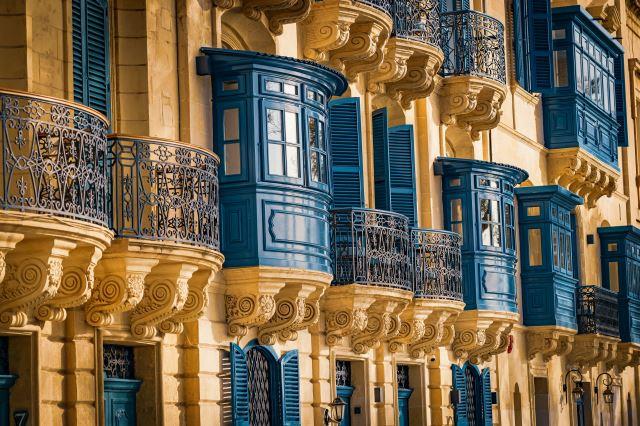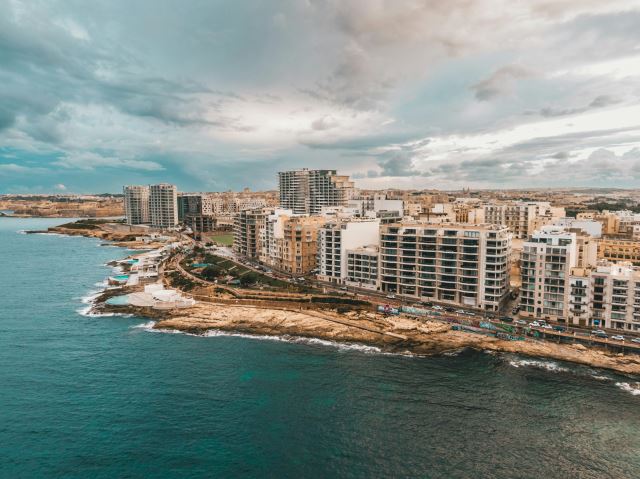
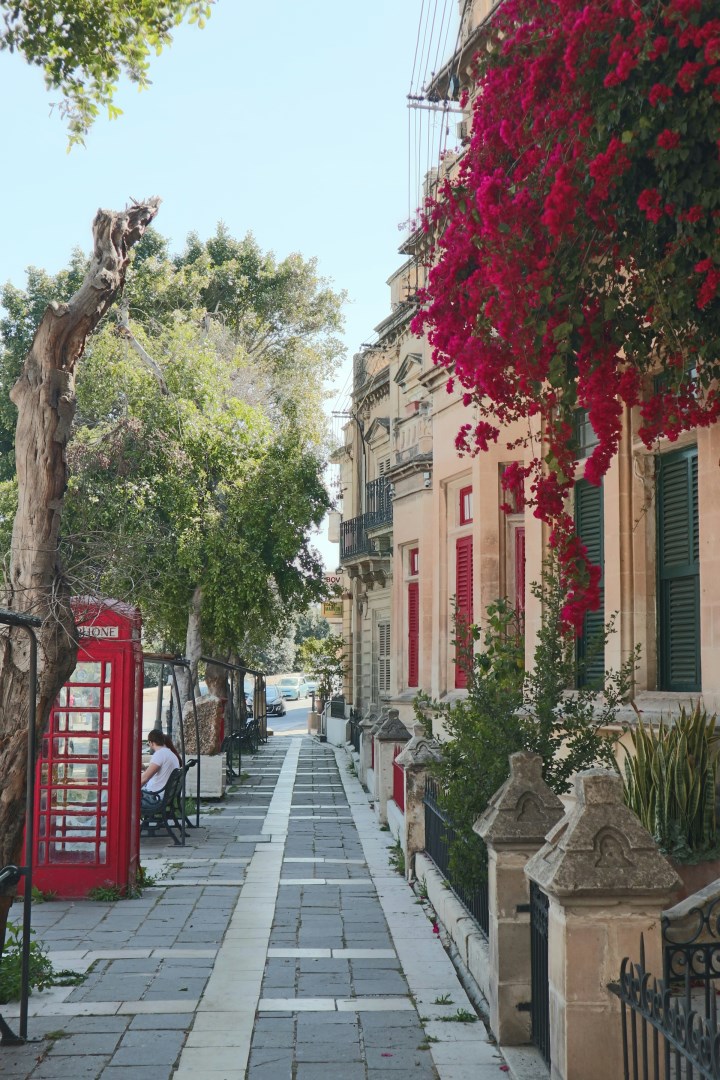
Rabat is a historic town in central Malta, adjoining the fortified city of Mdina and extending across a landscape shaped by limestone, fields, and ancient settlements. Its name means “suburb,” reflecting its position outside the walls of the former capital. The town has a distinctly local character, with narrow streets, traditional limestone buildings, small squares, and churches interspersed with archaeological sites. Rabat is particularly important for understanding Malta’s Roman and early Christian heritage, with several major underground complexes and ancient remains located within its streets and surrounding neighborhoods.
Rabat’s cultural identity is closely linked to the ancient city of Melite and to the early development of Christianity on Malta. St Paul’s Grotto is traditionally associated with the apostle’s stay on the island, while the nearby Collegiate Church of St Paul contains an underground complex connected with this tradition. The town is also home to the Wignacourt Museum, housed in a former Baroque priory beside St Paul’s Grotto, with collections covering religious art, archaeology, and local history. Its streets preserve a mixture of religious buildings, traditional houses, and historic courtyards.
The most important attractions are found beneath Rabat as well as above ground. St Paul’s Catacombs form a large network of interconnected underground cemeteries containing Punic, Roman, and Byzantine burial remains, including carved tombs and communal spaces. The Domvs Romana preserves intricate Roman mosaics and artifacts from an aristocratic townhouse, offering insight into domestic life in ancient Malta. St Augustine’s Catacombs provide another underground complex nearby. Above ground, Rabat’s streets lead toward Mdina’s fortified walls, while the surrounding countryside contains fields, dry-stone walls, and the rocky landscape characteristic of central Malta.
Rabat’s food traditions are closely connected with Maltese cuisine, including pastizzi, rabbit dishes, fresh ricotta, bread, vegetables, and pastries. The town is particularly associated with traditional bakeries and small eateries where local specialties can be found alongside coffee and tea. The agricultural landscape around Rabat also contributes to Malta’s use of seasonal produce, olives, grapes, and other Mediterranean ingredients. An unusual feature of the town is the concentration of underground archaeological sites: St Paul’s Catacombs alone form part of a wider ancient cemetery outside Melite, illustrating how the area beneath modern streets preserves evidence of several cultures and burial traditions.
Other Popular Destinations in Malta