Europe | Faroe Islands | Gásadalur

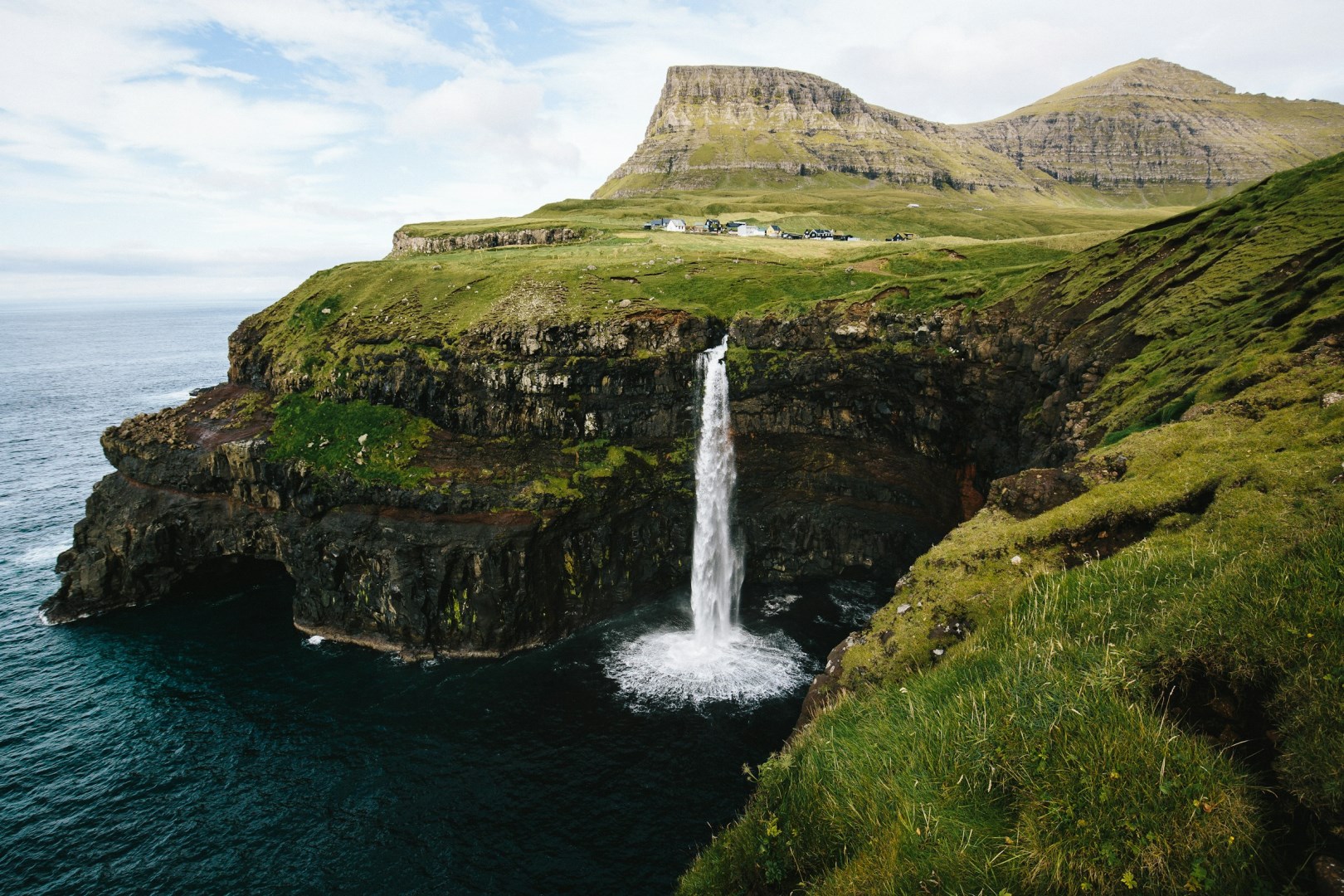
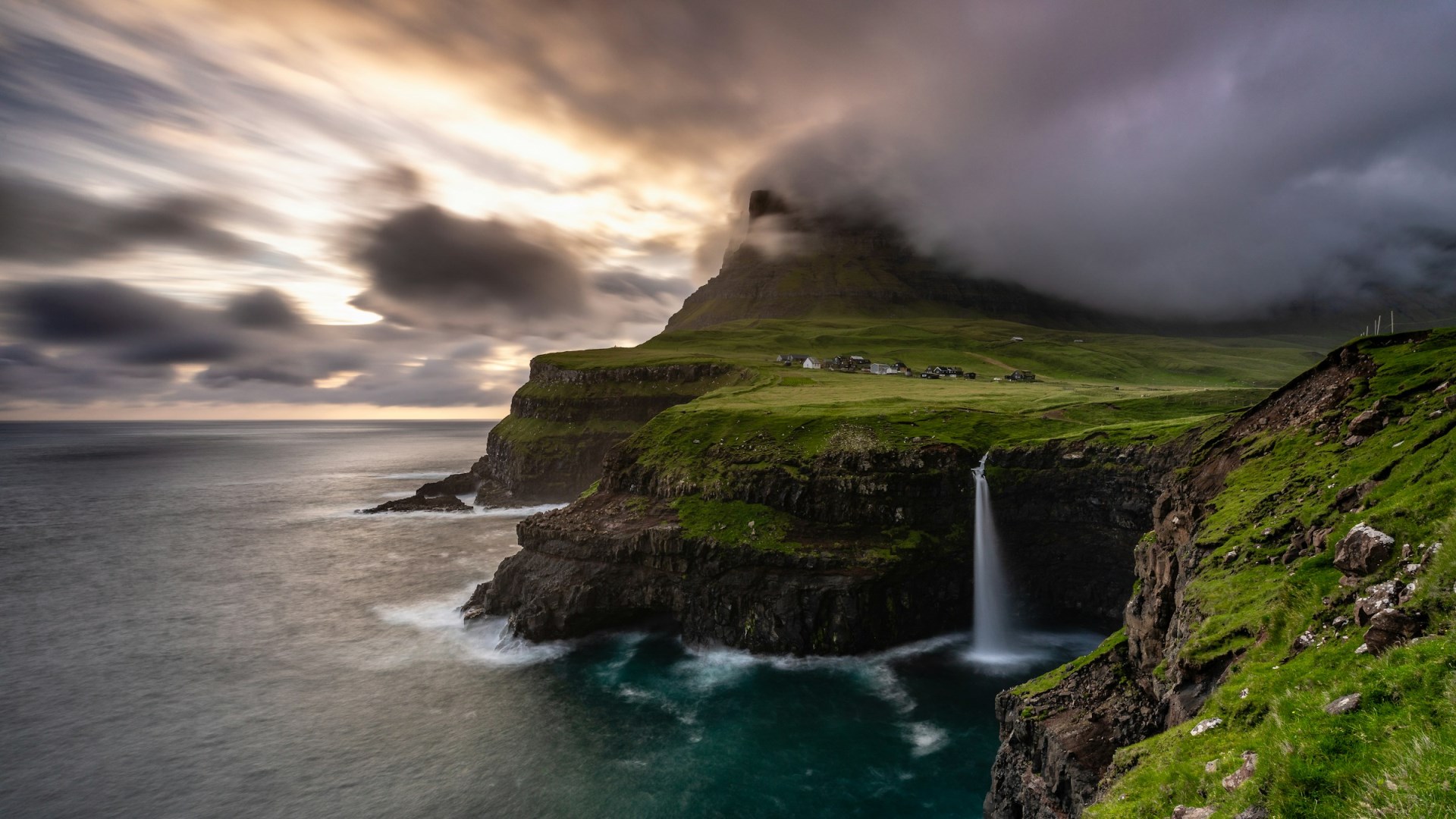
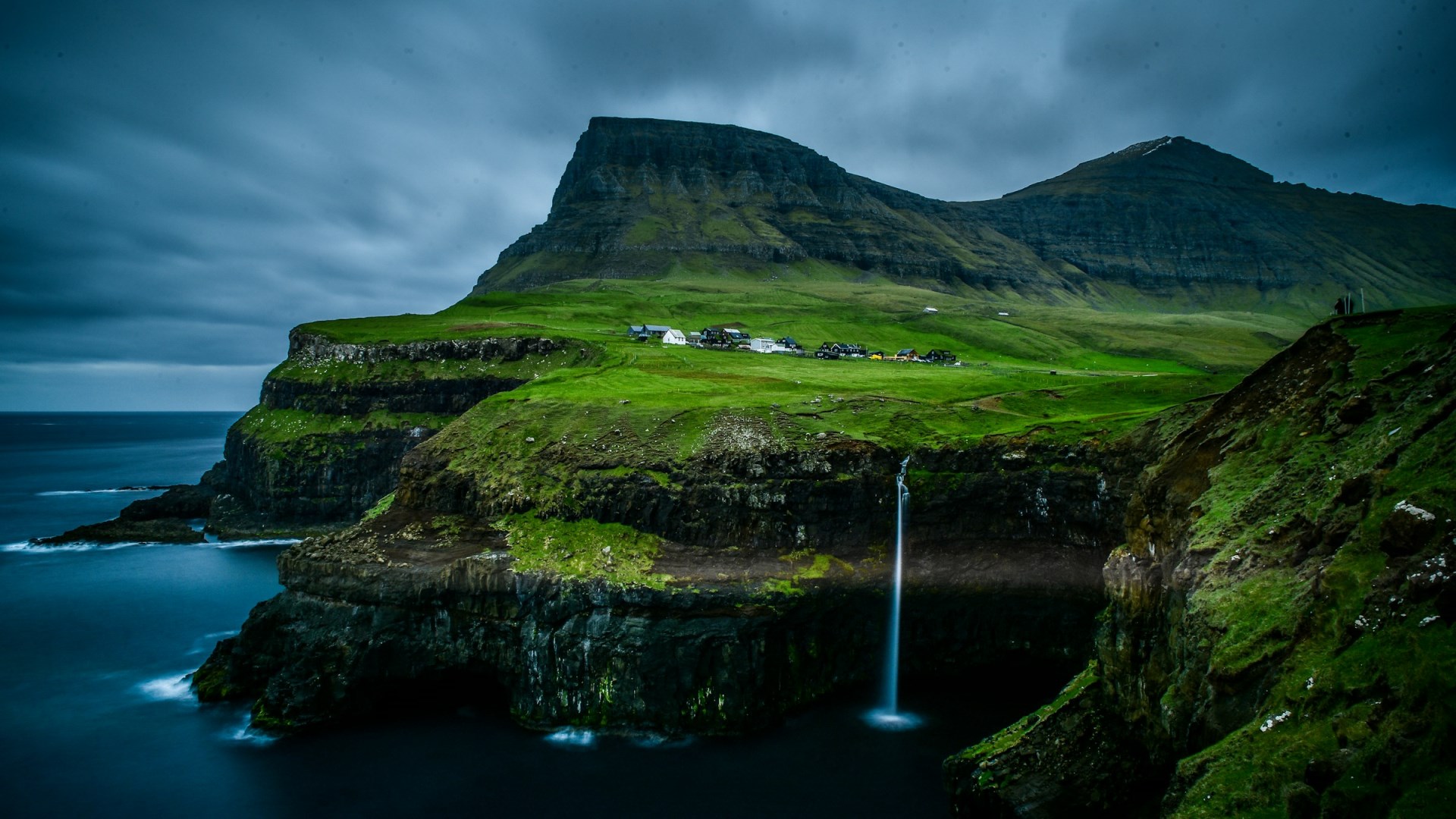
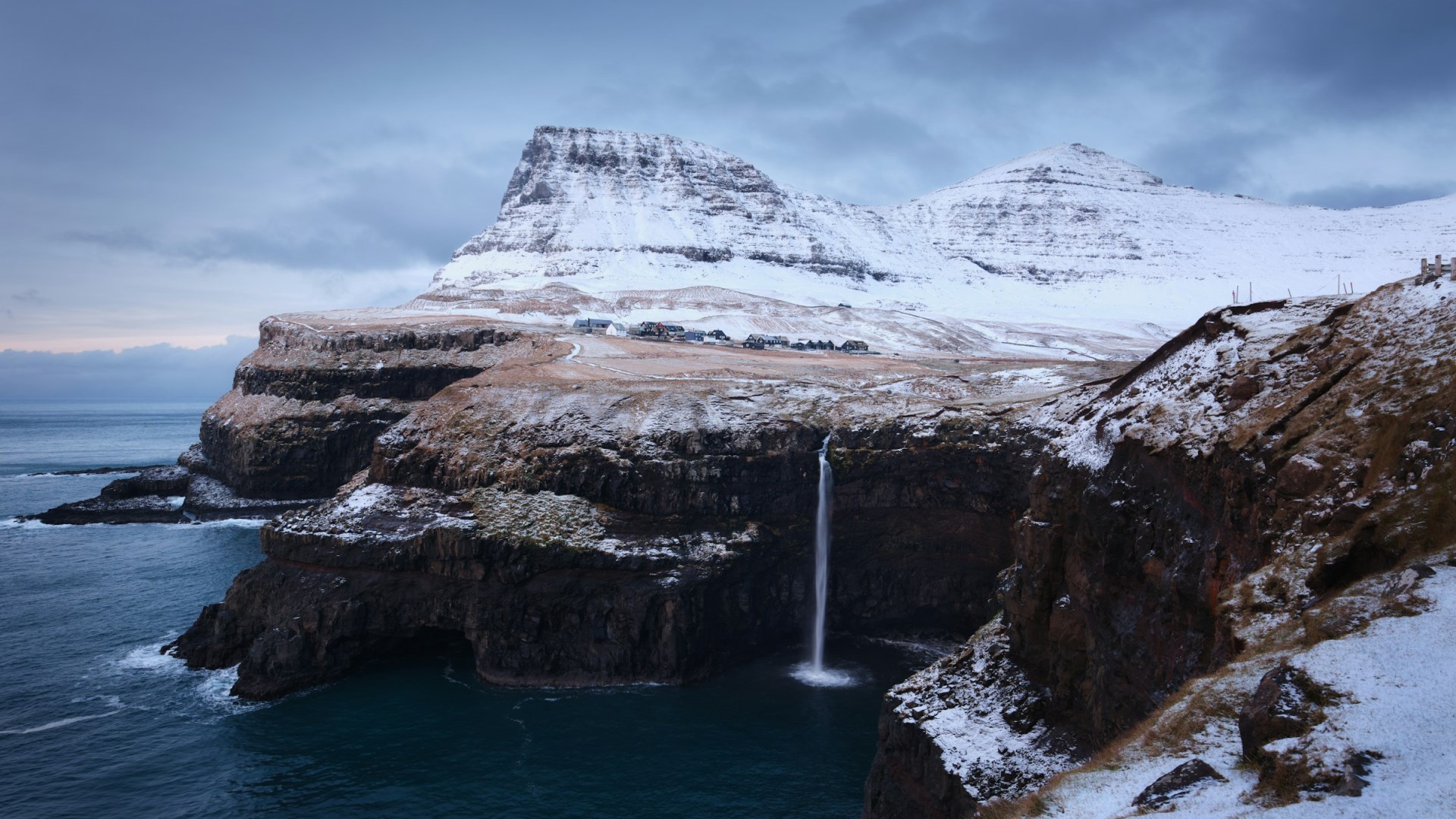
Gásadalur is a small village on the western side of Vágar in the Faroe Islands, set in a narrow valley between steep mountains and the North Atlantic. The settlement overlooks the sea toward the island of Mykines and is surrounded by high slopes, green pasture, and rugged cliffs. Its remote position shaped village life for generations, when access required crossing the mountains on foot. Gásadalur remains one of the Faroe Islands’ smallest settlements, with only a handful of permanent residents, and its compact group of houses retains a distinctly rural character.
Gásadalur’s history is closely linked to its isolation. Before the road tunnel opened, residents depended on a steep mountain path to reach neighboring villages for trade, services, and other daily needs. The old route from Bøur remains a hiking trail and follows part of the traditional connection between the communities. The village has no church, so religious services have traditionally been held in the school, while its cemetery reflects the practical difficulties created by the remote setting. Ruins of older settlements, including Uppi við Garð and Gæsutoftir, provide further evidence of habitation in the valley.
The best-known landmark is Múlafossur, a waterfall that drops directly from the cliffs into the Atlantic below the village. A marked path leads from the parking area to a viewpoint overlooking the waterfall, Gásadalur, and Mykines. Above the settlement rises Árnafjall, the highest mountain on Vágar at 722 meters. The surrounding mountains also provide dramatic views toward Tindhólmur, Gáshólmur, and Sørvágsfjørður. The historic Bøur–Gásadalur trail offers another way to experience the landscape, although its steep sections, loose stones, and exposed terrain require care.
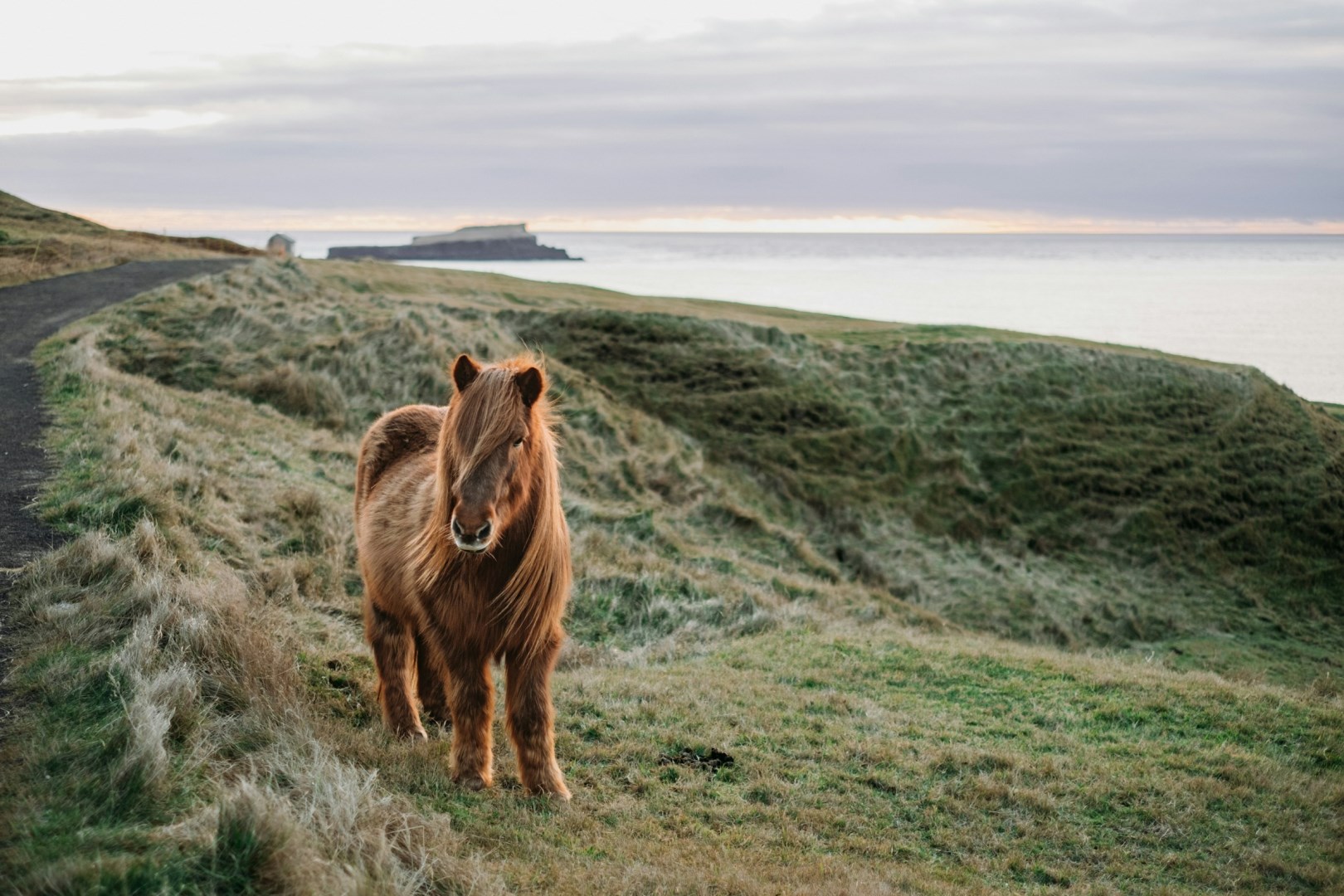
Food in Gásadalur is represented by small-scale local hospitality rather than a large selection of restaurants. Gásadalsgarður serves locally sourced Faroese food and beverages in a café near Múlafossur, with ingredients connected to the village’s farming traditions. Sheep farming remains part of life in the surrounding landscape, and grazing animals are a familiar sight around the settlement. A distinctive feature of Gásadalur is how its modern road access contrasts with its earlier isolation: the tunnel now connects the village to the rest of Vágar, while the old mountain route still shows how residents once traveled beyond the valley.
Other Popular Destinations in Faroe Islands

