Europe | Faroe Islands | Streymoy

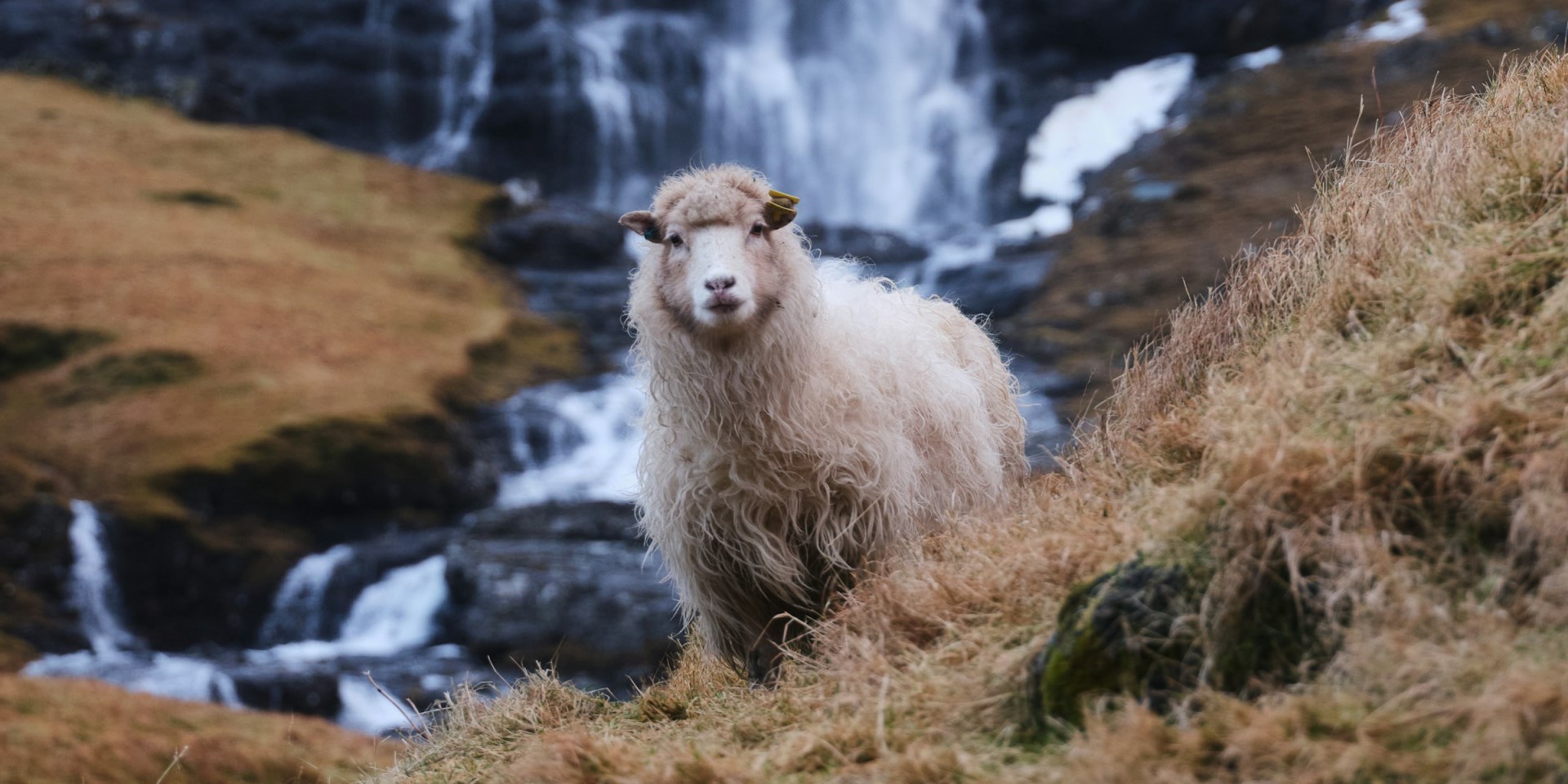

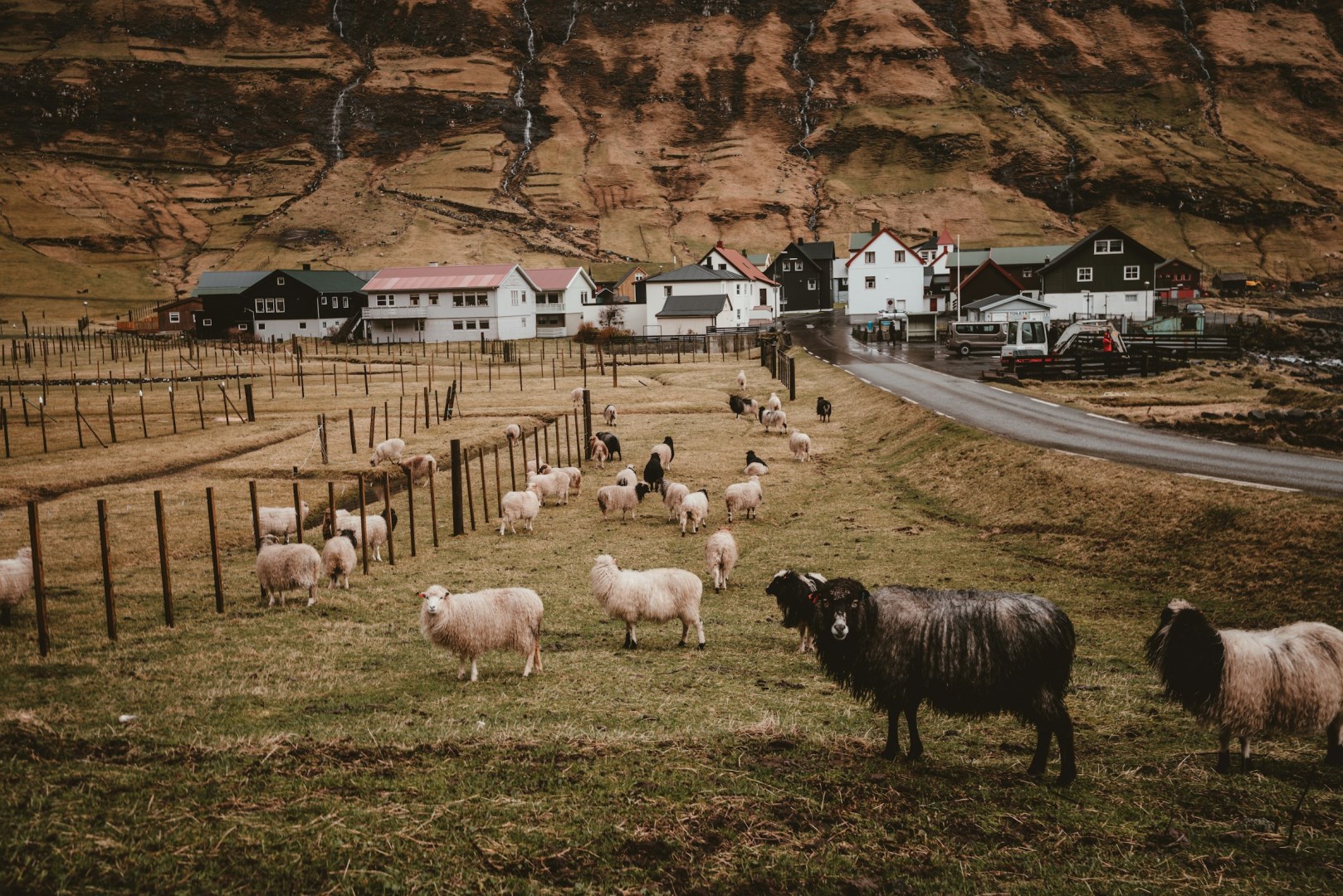



Streymoy is the largest and most populated island in the Faroe Islands, forming a central part of the archipelago and home to the capital, Tórshavn. Its landscape combines steep mountains, deep fjords, grassy valleys, and exposed coastal cliffs, with settlements concentrated along sheltered shorelines. The island is connected to neighboring islands by bridges, tunnels, ferries, and causeways, making it an important center for travel across the Faroes. Despite its developed infrastructure, large areas of Streymoy remain open pasture and rugged upland terrain shaped by the North Atlantic climate.
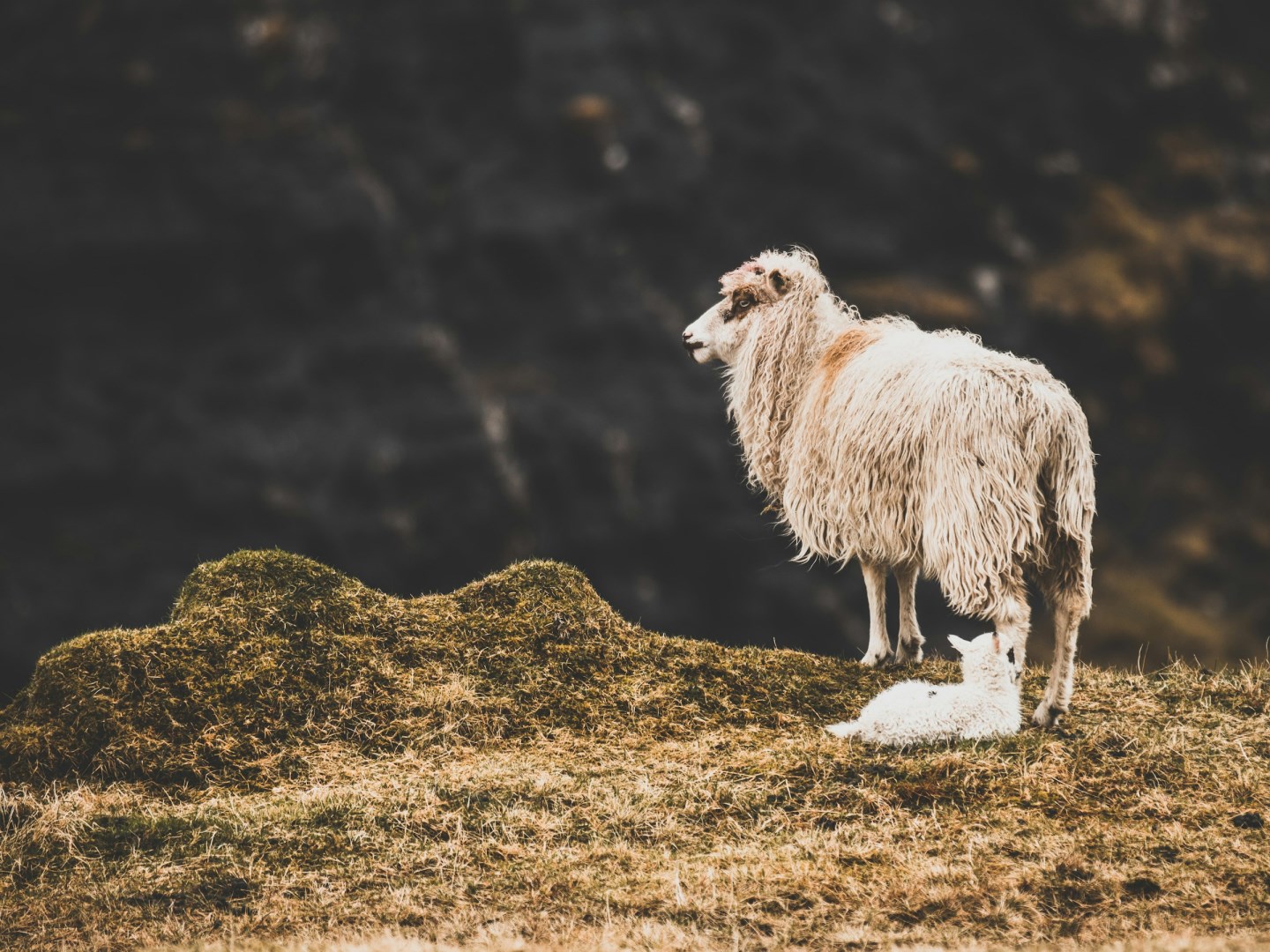
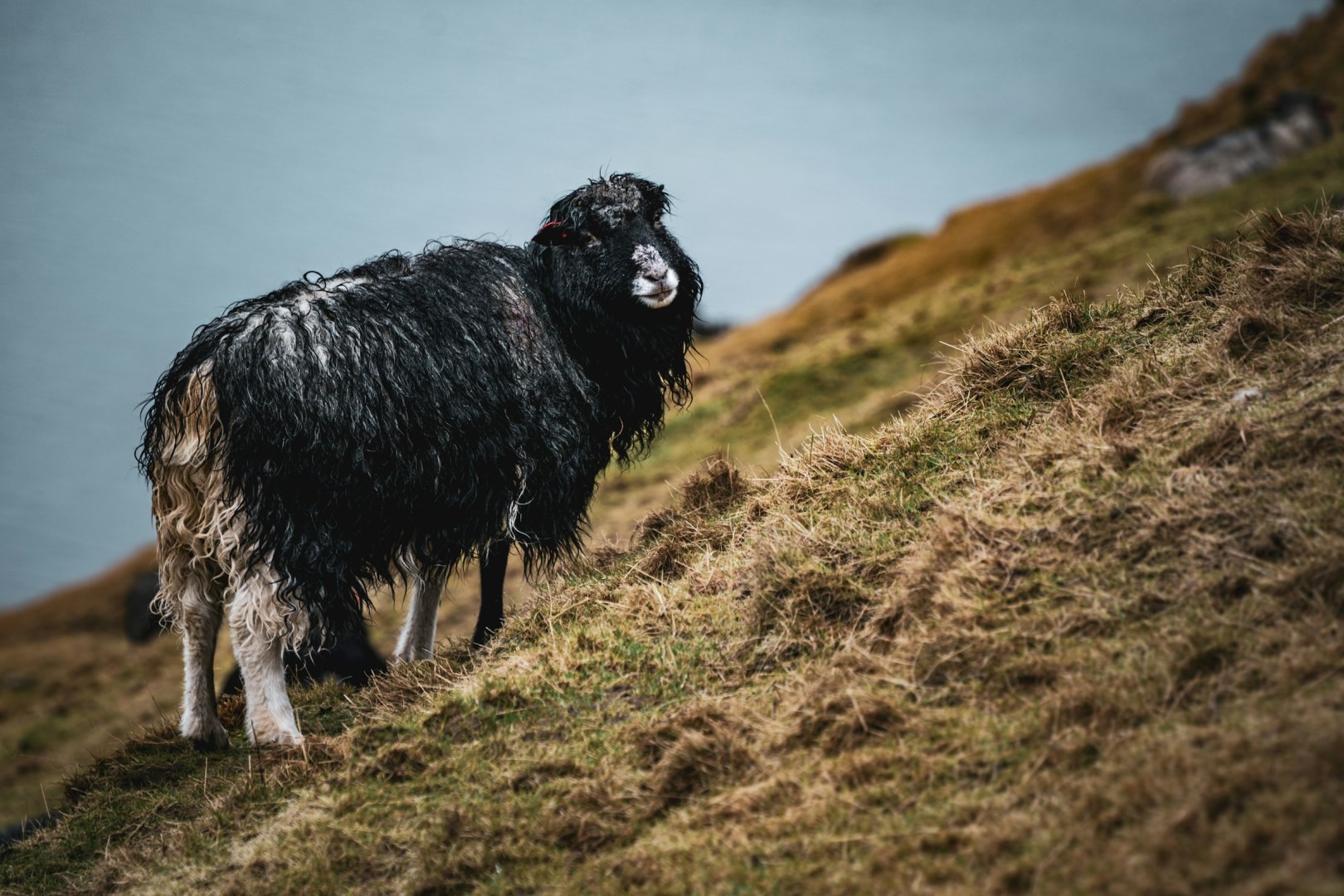
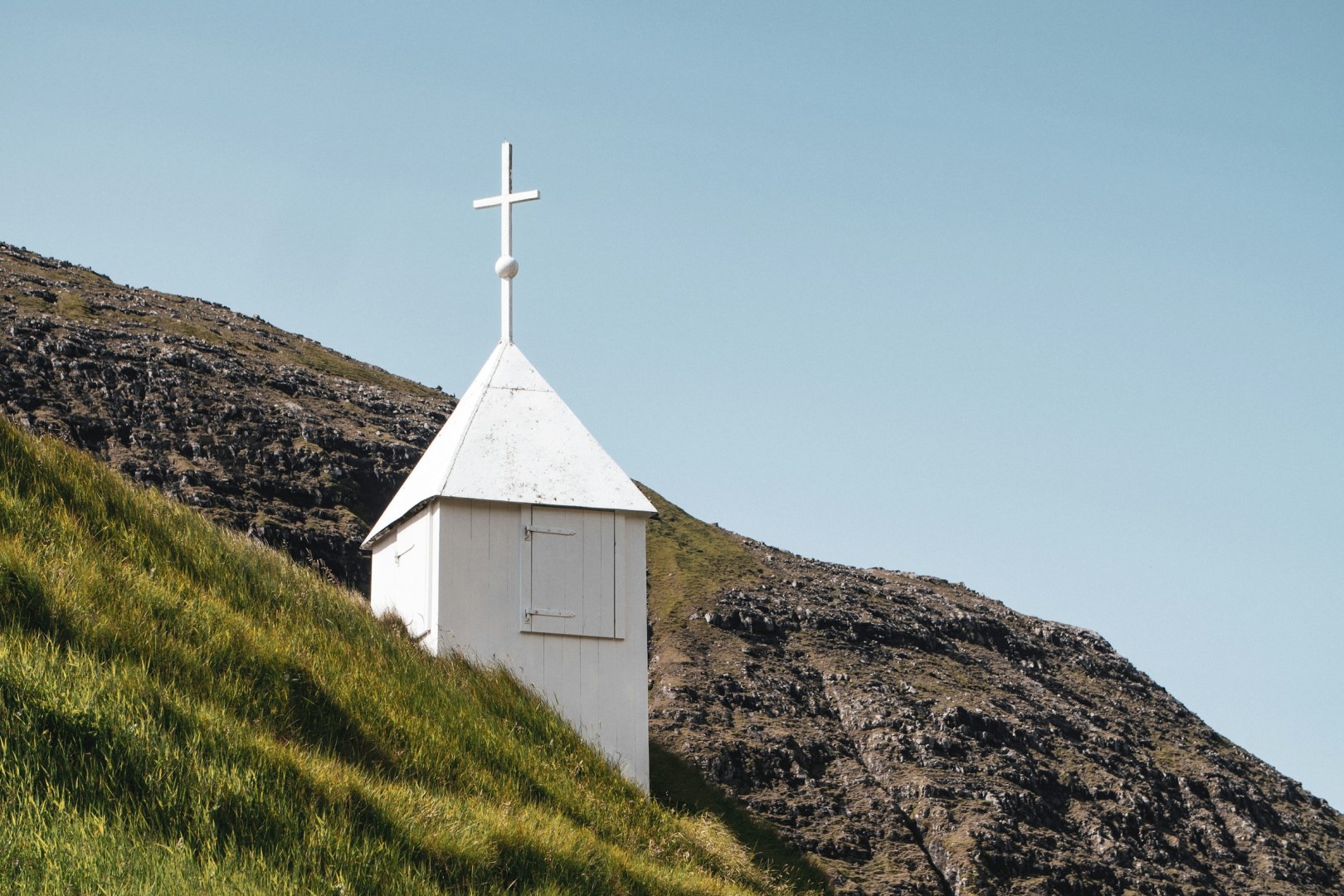
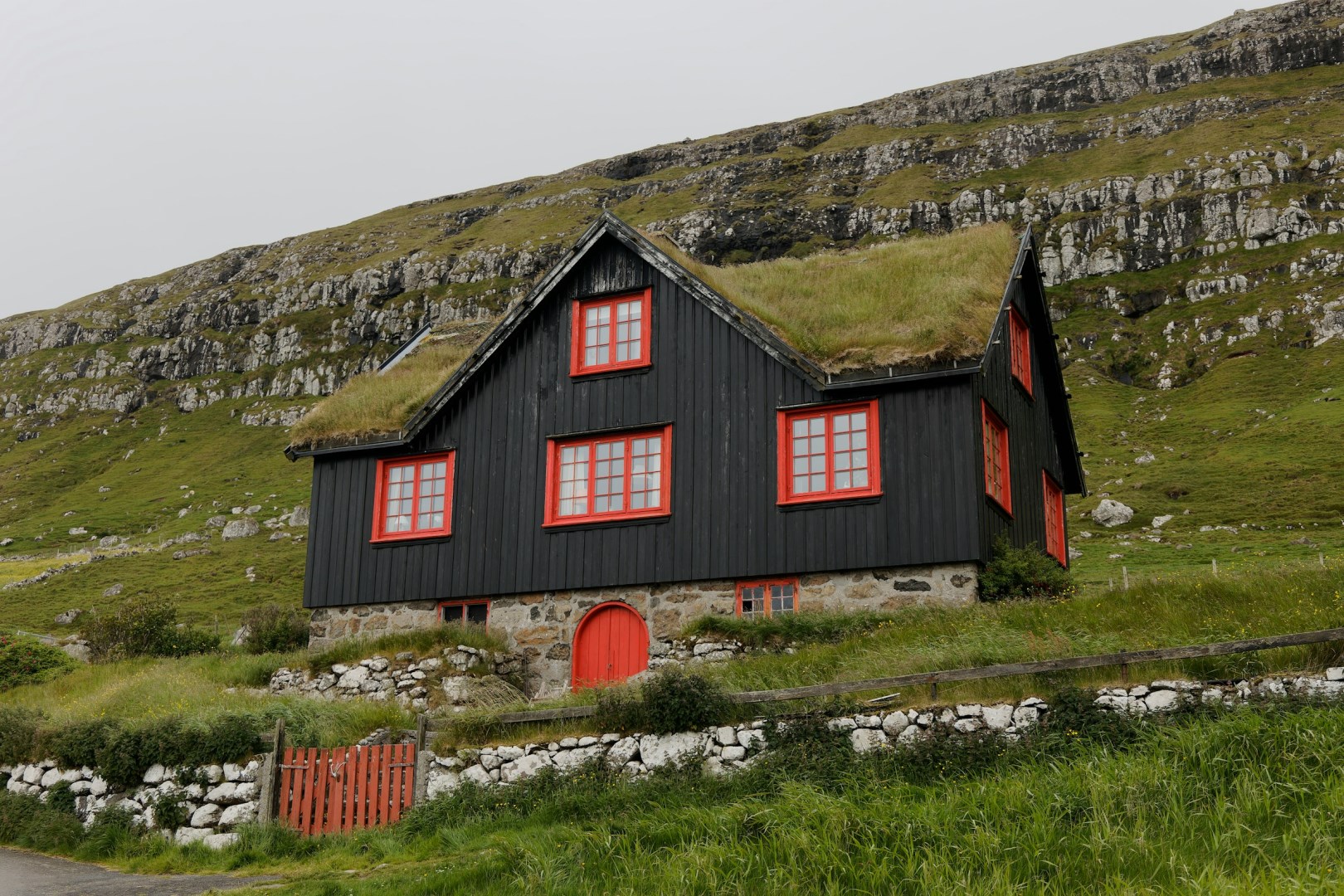
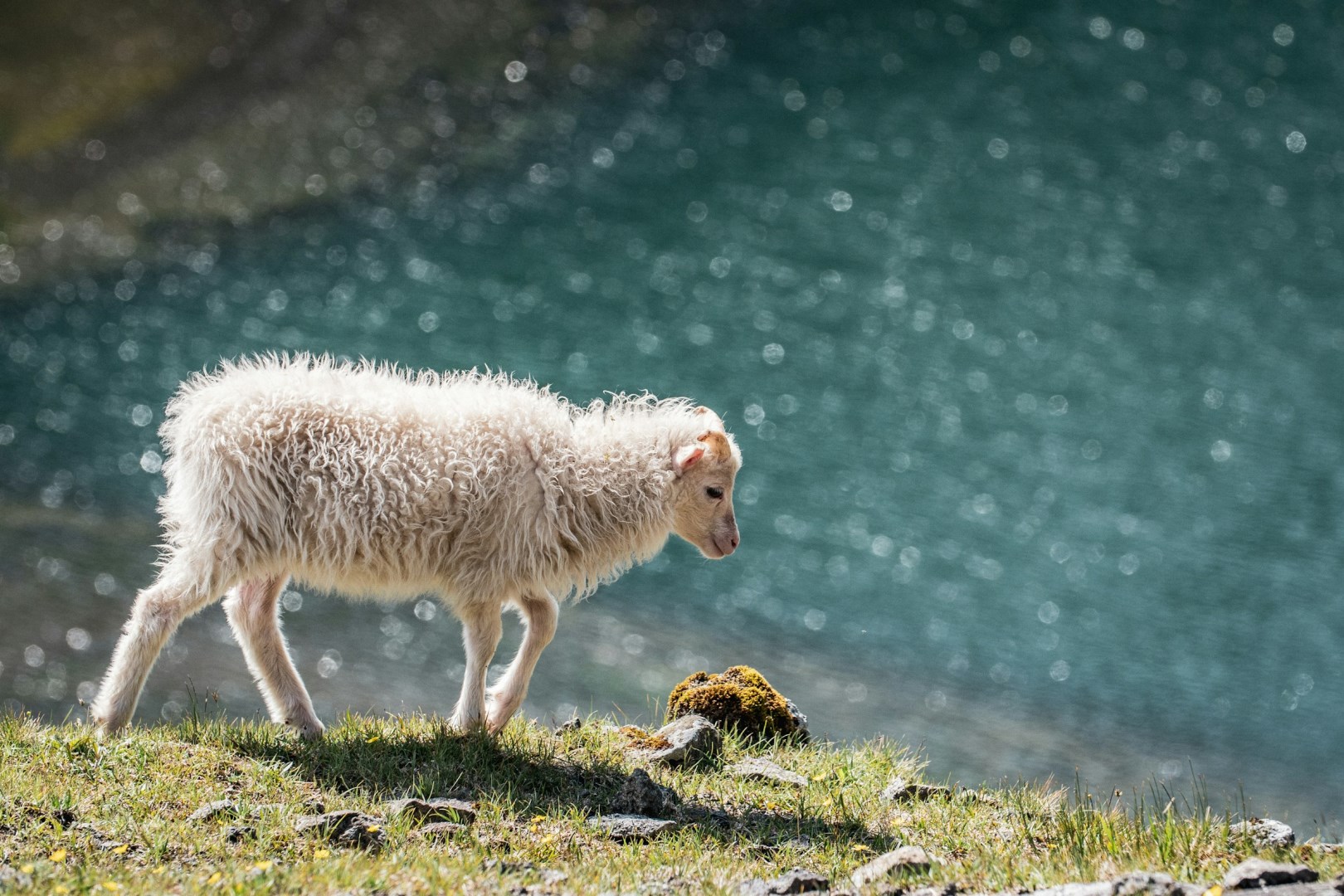
Streymoy has a particularly strong place in Faroese cultural history. Tórshavn contains Tinganes, a historic waterfront district of black-tarred wooden buildings with red roofs that has served as a political center for centuries. Kirkjubøur, on the southern part of the island, preserves some of the Faroes’ most important historic buildings, including the ruins of Kirkjubøur Cathedral, St. Olav’s Church, and the traditional Roykstovan farmhouse. Faroese traditions of sheep farming, fishing, boatbuilding, and communal village life remain visible across the island, while music, dance, and the Faroese language continue to play an important role in local identity.
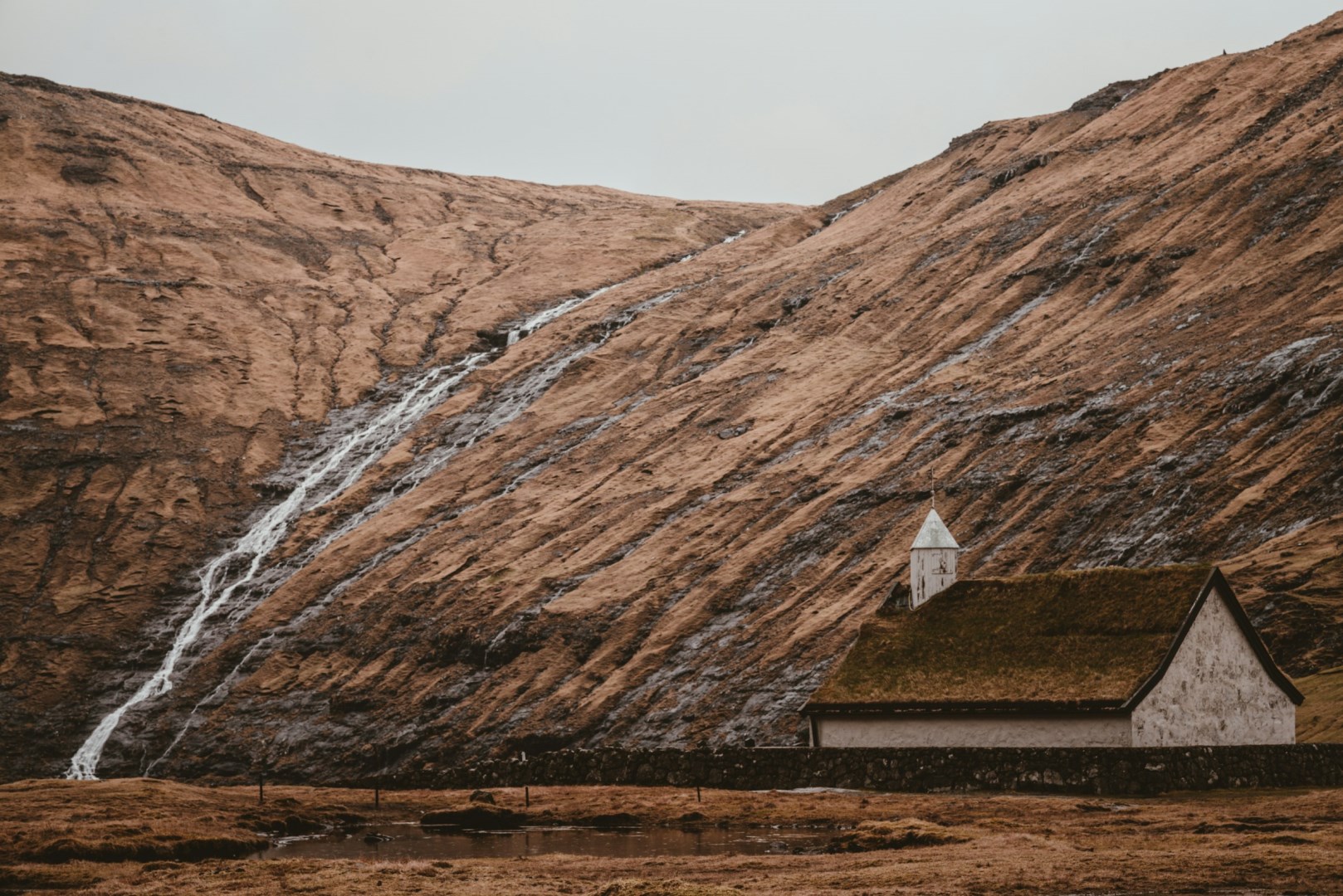
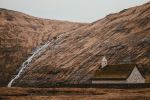
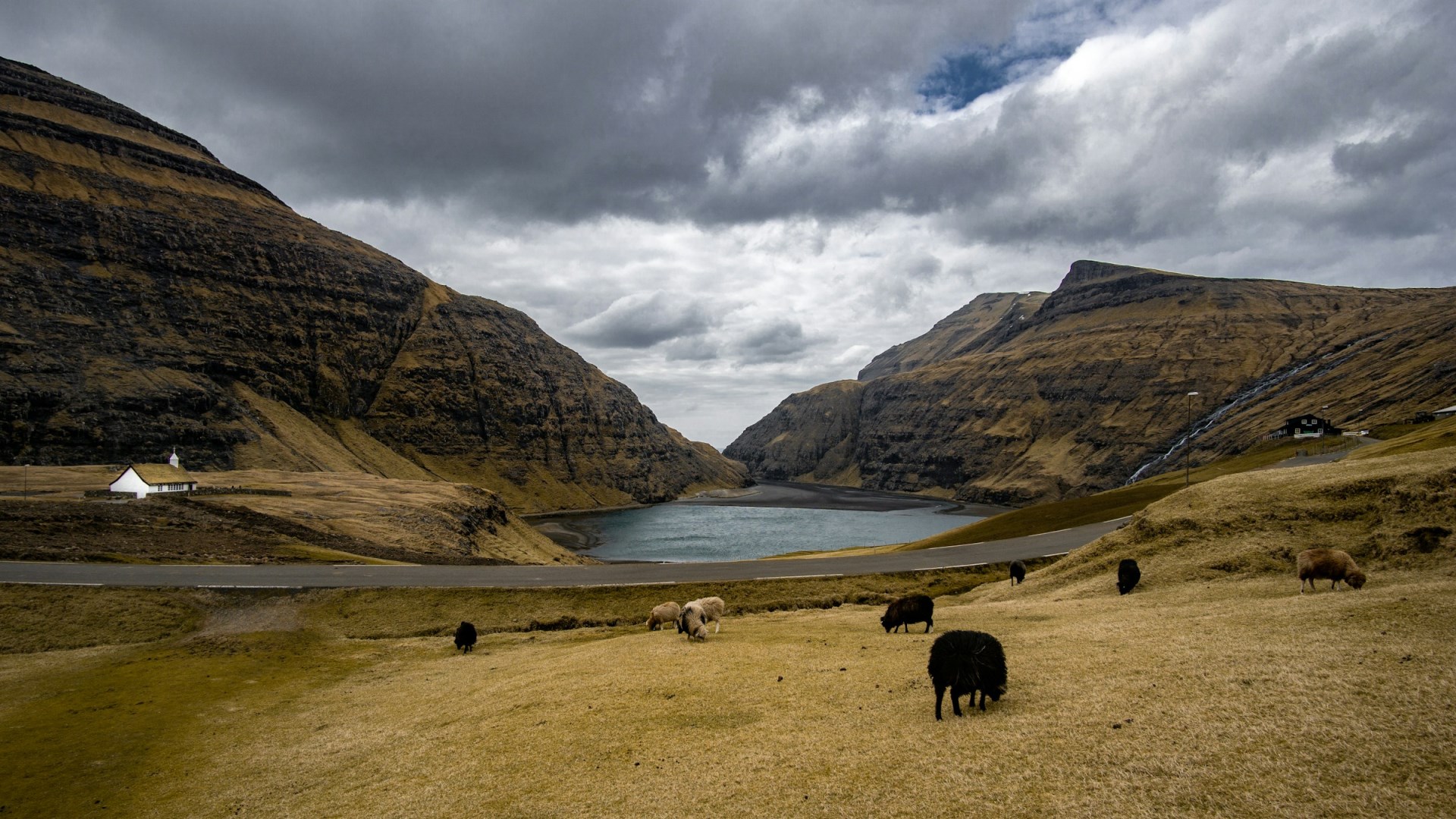
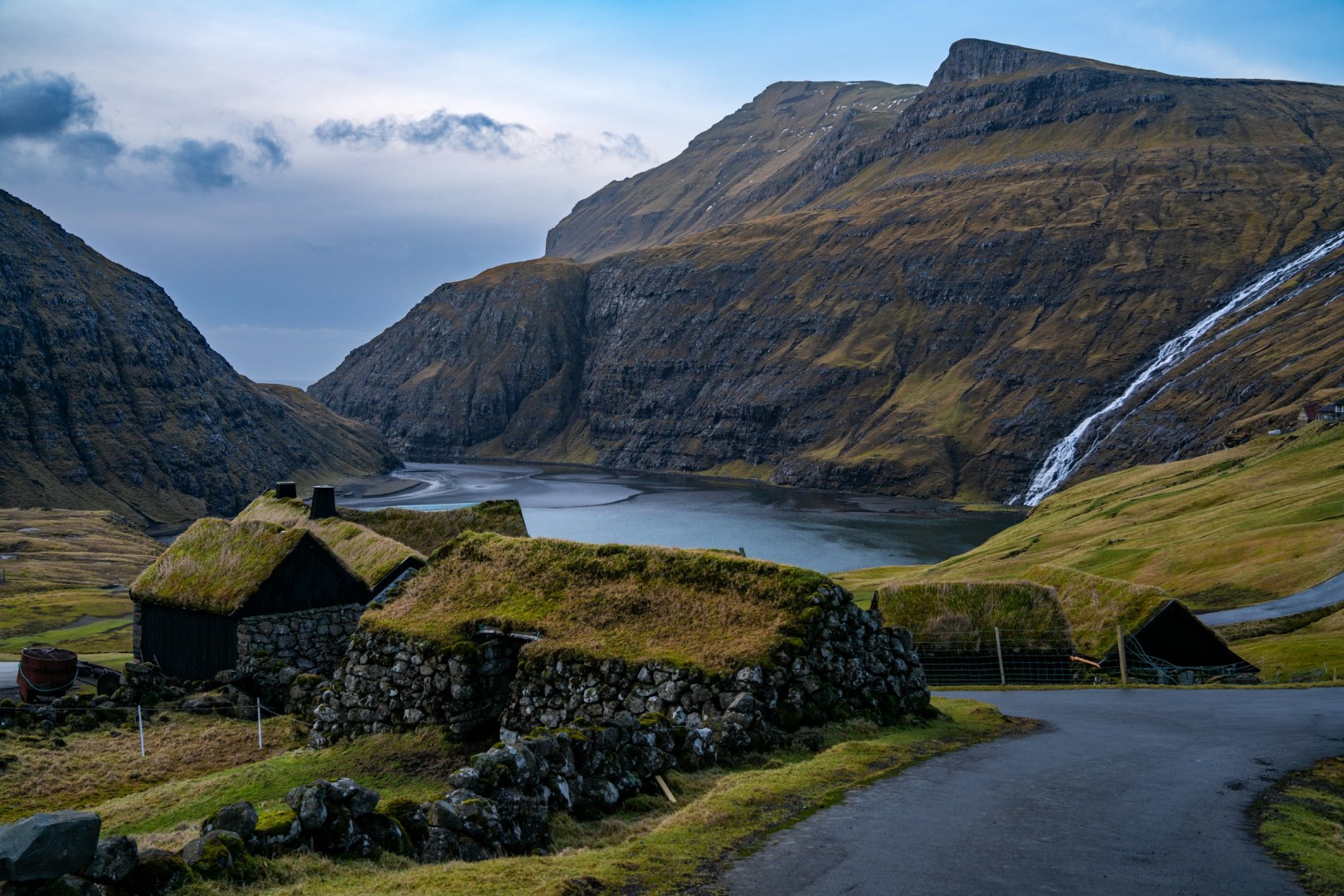
The island offers varied landscapes, from the sheltered waters of Kollafjørður and Hvalfjørður to the high cliffs around Vestmanna and Saksun. Vestmanna is known for boat excursions beneath towering sea cliffs and past caves where seabirds nest. Saksun lies at the end of a remote valley beside a tidal lagoon, surrounded by steep mountains and an old church. The northern village of Tjørnuvík faces the distinctive sea stacks known as Risin og Kellingin, or the Giant and the Witch. Hiking routes cross much of Streymoy, including trails leading through valleys and over mountain passes.
Food on Streymoy reflects the wider Faroese tradition of using ingredients suited to a cool, windswept environment. Lamb, fish, potatoes, and fermented or dried foods have traditionally formed an important part of the local diet, while modern restaurants increasingly combine these ingredients with contemporary cooking. Tórshavn provides the island’s broadest selection of cafés and restaurants, including places focused on Faroese produce. A distinctive feature of Streymoy is the close proximity of the capital to remote rural landscapes: within a relatively short journey, visitors can move from the historic streets of Tórshavn to isolated valleys, bird cliffs, and small farming villages.
Other Popular Destinations in Faroe Islands

